◈@finnlnpl462
On Peptide Pureness
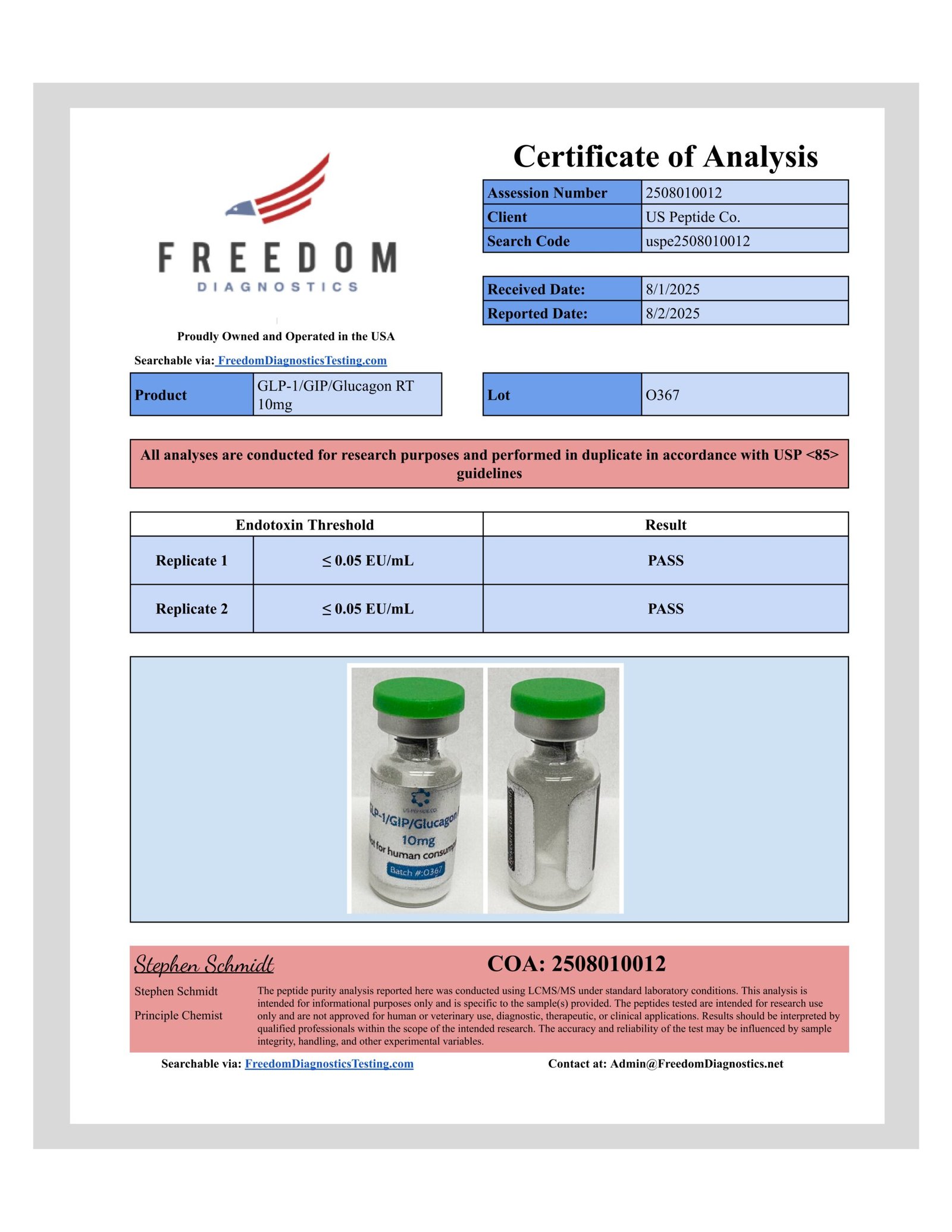
Peptide Quality: Value Of Third-party Recognition At minimum, identity and pureness ought to be confirmed per set. Vendors that give the same COA for months of production are not demonstrating ample quality control. The procedure works by passing the peptide option via a column loaded with specialized material. Various substances connect with this material in a different way, triggering them to arise from the column at different times. A detector determines what comes out, creating a chromatogram showing tops for each compound existing.
Credibility Confirmation
Desalted peptides work well for ELISA finish, some cell-based assays, and applications where moderate purity is acceptable. After synthesis and filtration, peptides are normally lyophilized (freeze-dried) as salts. The most typical counterion is trifluoroacetate (TFA) from the HPLC filtration solvents, though some peptides are supplied as acetate or hydrochloride salts. These counterions aren't "pollutants" in the HPLC sense-- they do not appear as separate tops-- but they do contribute to the complete mass of the powder. As the percentage of organic solvent gradually boosts during the run, particles are launched from the column in order of their hydrophobicity-- the a lot more hydrophobic a peptide, the longer it takes to elute (clean off). Given that contaminations typically vary from the target peptide by a minimum of one amino acid, they have somewhat various hydrophobicities and turn up as different optimals on the chromatogram. So, purity isn't simply a number on a certification; it's essential to success. Peptide testing is the logical process used to verify that a research peptide is both pure and appropriately recognized. HPLC procedures chromatographic pureness by separating the target peptide from related pollutants and determining main-peak location percent. Mass spectrometry verifies molecular identification by checking whether the determined mass matches the anticipated peptide mass.Endotoxin Screening:
Is 95% purity helpful for peptides?
Peptides with an 85% pureness level or higher are usually utilized in enzyme assays or biological task researches. Peptides with pureness above 95% are outstanding for quantitative analysis.
- Examining uses Inductively Combined Plasma Mass Spectrometry (ICP-MS), which can identify also trace degrees of metals.
- One documented situation entailed a bodybuilder who infused what was classified as Follistatin.
- When examining a peptide vendors listing, researchers must prioritize suppliers that offer thorough logical data.
- A Certification of Evaluation (COA) documents the analytical screening done on a details peptide batch.
- Peptide purity screening information are necessary in preclinical studies and should be consisted of in investigational new medication (IND) applications and later brand-new medicine applications (NDAs).
Does The Coa Warranty Endotoxins Or Sterility Testing?
Any type of considerable inconsistency recommends the sample https://donovanuliq137.novacrestiq.com/posts/peptide-synthesis-company-our-story isn't the asserted peptide. If you think 100% web content when the real material is 75%, your calculated doses are 25% less than intended. This clarifies why some researchers report weak impacts than anticipated regardless of following published protocols. ESI-MS (Electrospray Ionization Mass Spectrometry) creates multiply-charged ions, which makes it possible for analysis of larger peptides and provides higher sensitivity. ESI is commonly paired with liquid chromatography (LC-MS), incorporating splitting up and identification in a single analysis. The effects mediocre peptides prolong beyond thrown away cash. It works as a tip and legal disclaimer that the product is not a restorative or consumable. Credible peptide distributors always note their products this way and give top quality records with HPLC and MS data to back up the pureness level. As long as you get peptides from a trusted source that gives a full certificate of evaluation, you can be positive in the peptide's pureness grade and usage range. When you see peptides promoted as "research-grade," it refers to their intended use and the level of making oversight. Discover validated suppliers using high-purity peptides, transparent documents, and consistent top quality for your speculative needs. On the other hand, a peptide revealing excellent HPLC purity may have subtly moved mass specification information recommending an alteration (such as methionine oxidation) that isn't serious adequate to cause chromatographic separation. 98% purity by RP-HPLC is the common benchmark for research-grade peptides and represents a robust level of purity for the majority of preclinical research study applications. Our Certified Peptide Synthesis Laboratory is especially created and run to permit the custom synthesis of peptides in accordance with specified treatments and under prescribed laboratory conditions. For peptide pureness testing, reverse-phase HPLC is the standard Longevity Research theoretical version. Related contaminations look like smaller peaks at different retention times. The chromatographic purity is then determined by contrasting the area under the main top with the complete area under all incorporated heights.◈